Ant Control · Denver Metro
Ant Control
Ants found, identified and treated at the colony with baits, not just sprayed where you see them.
Get a quote for ant control
The online form isn't set up yet. The fastest way to reach us is by phone.
Call (303) 555-0134Why ants come inside
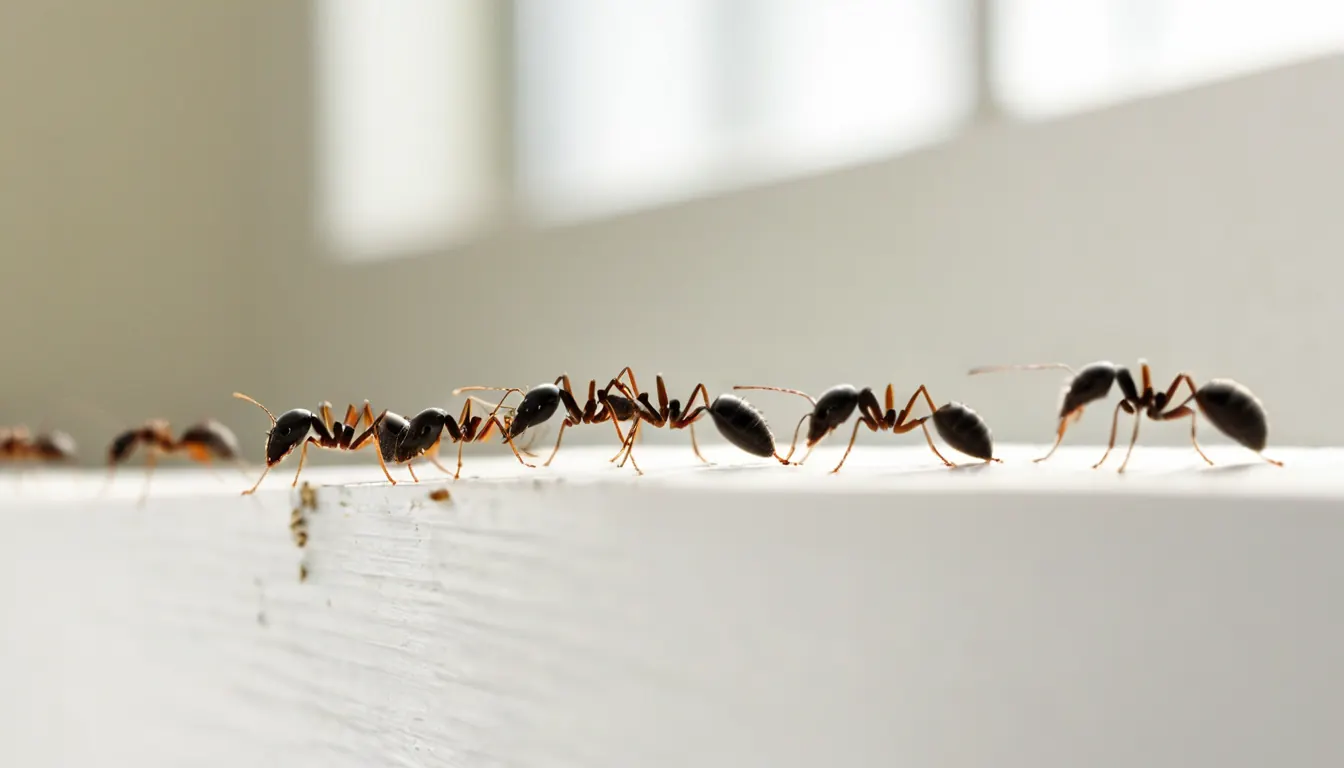
Most ants seen in Colorado homes do not live there. They nest outdoors, often near the foundation, and come in looking for food or water. A crumb on the counter, a pet bowl, a leaking pipe under the sink or the sweet honeydew that aphids leave on houseplants is enough to start a trail. Once a few workers find something, they lay a scent trail and others follow it. That is why ants seem to appear all at once, and why wiping up the trail with a household cleaner helps after the food is gone.
Which ant you have matters
Different ants need different treatments, so the first job is identifying them. Pavement ants are small, dark brown ants that push up little piles of soil at cracks in driveways and sidewalks, and they are often the ant people notice most in Colorado. They like greasy food. Field ants are larger, black or reddish ants that come inside mostly in spring, when the soil warms but the weather is still too cool for normal foraging outdoors. Odorous house ants have only recently been found in Colorado. They are small and black, smell a little like coconut when crushed and have been linked to heavy wood mulch against the foundation. Pharaoh ants are tiny, pale ants that can nest indoors, mostly in apartments and larger buildings. Carpenter ants are the largest ants here and are most common in wooded areas. The ones found in homes are usually foragers from a nest outside, but a colony can settle in wood that has been damaged by water.
Why we use baits
Spraying the ants you can see kills those ants and little else. Most of the colony, including the queens, stays in the nest, which may be a few feet underground. Colorado State University Extension notes that baits usually give the most satisfactory control. Workers carry a slow-acting bait back to the nest and share it with the rest of the colony. For pharaoh ants, spraying can make things worse, because the colony can split and scatter. So we place baits the ants will actually eat, sweet or greasy depending on the species, and keep sprays away from the bait. Outside, a treatment along the foundation can cut down on ants coming in, but it typically lasts from about a week to a month, so it supports the baits rather than replacing them.
Carpenter ants and termites
Winged ants swarming in spring are often mistaken for termites. Ants have a narrow waist, elbowed antennae and front wings longer than the back ones. If you find winged carpenter ants inside, or small piles of sawdust in a closet or crawl space, the colony may be inside the house. We look for the moisture problem that let them in, such as a leaking roof, a clogged gutter or wood touching the soil, because the ants will keep coming back to damp, soft wood until it is fixed.
What you can do
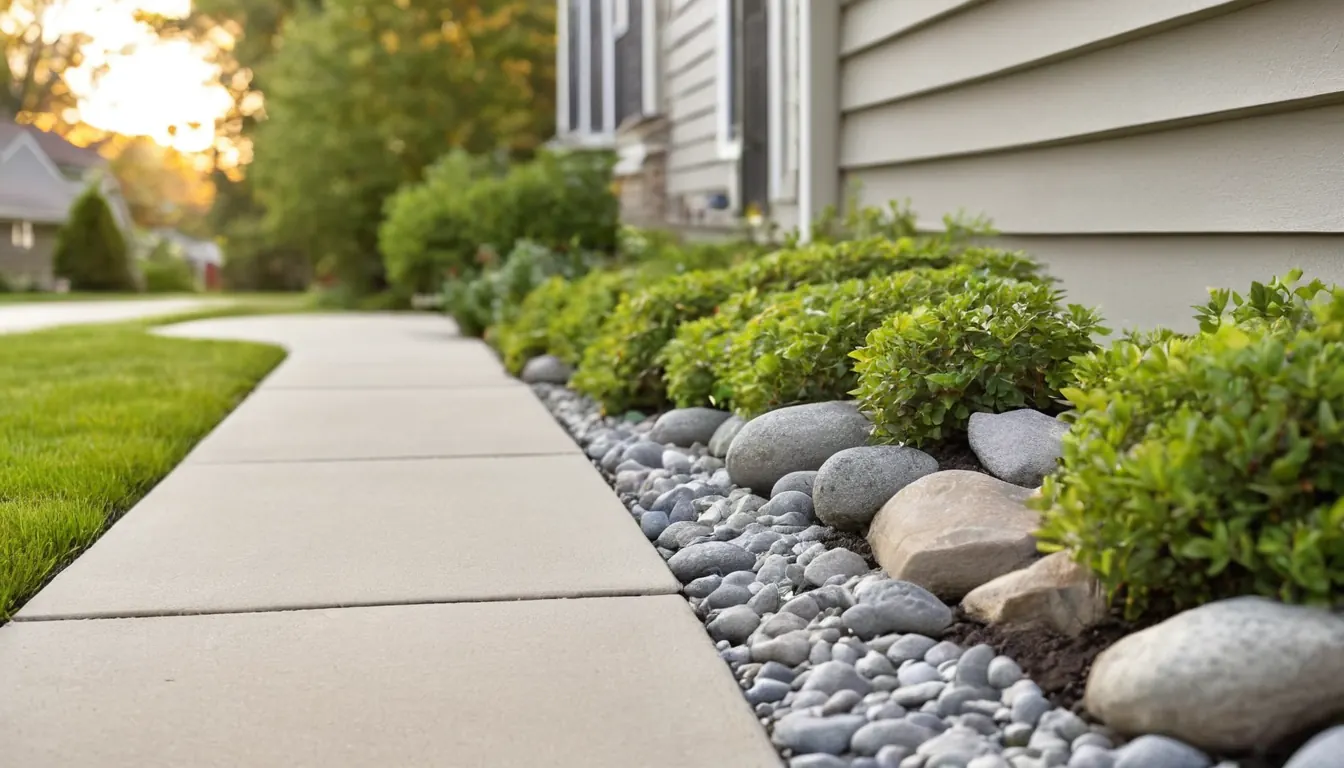
Keep food sealed, fix drips, rinse out recycling, pull heavy mulch and ground cover back from the foundation and do not spray store-bought products near our baits. Most ant problems settle within one to two weeks of baiting.
Areas served
Ant Control across Denver Metro
What you get
What's included
Ant identification
We name the species before choosing a bait or treatment.
Colony baiting
Slow-acting baits that workers carry back to the nest.
Foundation treatment
Entry points and nest sites outside treated where it helps.
Carpenter ant inspection
We look for the damp wood and the nest, not just the trail.
Follow-up check
We come back if the trail is still there after two weeks.
Pricing
Ant Control cost guide
| Job | Typical range | Notes |
|---|---|---|
| Ant treatment, one visit | $150–$300 | Pavement, field or odorous house ants, with a follow-up check |
| Carpenter ant treatment | $250–$600 | Includes looking for the nest and the moisture source |
| Pharaoh ant baiting program | $300–$700 | Several visits, common in apartments and condos |
| Ants on a home pest plan | $0 | Covered by your plan, including re-service |
Get a price for ant control
Tell us what you are seeing. Someone from Pinyonmark Pest Control will call you back.
- Free re-service between visits on home pest plans
- Monthly billing available on pest plans
- Fully insured
Prefer to talk? (303) 555-0134
The online form isn't set up yet. The fastest way to reach us is by phone.
Call (303) 555-0134Why choose us
Why Denver Metro calls Pinyonmark Pest Control
Upfront prices
You approve the price before we treat
Licensed applicators
Colorado license number on every service ticket
Free re-service
Pests back between plan visits? We return at no charge
Our own technicians
Our own trained staff on every visit, no subcontractors
5 out of 5 stars
Ants in the kitchen every spring. Instead of spraying everywhere, they figured out which ant it was and put out bait. The trail was gone in about ten days and has not come back.
Marcus T., Westminster · Google
Sample review
4 out of 5 stars
Yellowjackets in the ground right by the patio. They could not come the day I called but were there first thing the next morning, found the entrance and the nest was dead by evening.
Eric P., Highlands Ranch · Google
Sample review
5 out of 5 stars
Embarrassing problem, handled kindly. They gave us a clear prep list, explained when we could sleep in the room again and came back twice to check. No bugs since the last visit.
Jasmine R., Aurora · Google
Sample review
The process
How it works
Inspection
We follow the trail, find where ants enter and identify them.
Baiting and treatment
Baits placed inside and outside, with entry points treated.
Advice
What to seal, fix or move so the ants are not drawn back.
Follow-up
We check the baits and come back if the trail returns.
Need ant control today?
FAQ
Ant Control questions
Why do ants keep coming back after I spray them?
Spraying kills the ants you see, but most of the colony and its queens stay in the nest. Baits work better, because workers carry them back and share them. Store-bought sprays near baits can keep the ants from taking them.
Are carpenter ants damaging my house?
Usually not. Most carpenter ants found indoors are foraging from an outdoor nest. If you see winged carpenter ants inside or small piles of sawdust, the colony may be in damp, damaged wood, and we look for the moisture problem behind it.
More services