Wasp & Hornet Nest Removal · Denver Metro
Wasp & Hornet Nest Removal
Yellowjacket, paper wasp and hornet nests treated and removed, with same-day visits where possible.
Get a quote for wasp & hornet nest removal
The online form isn't set up yet. The fastest way to reach us is by phone.
Call (303) 555-0134Which stinging insect is it?
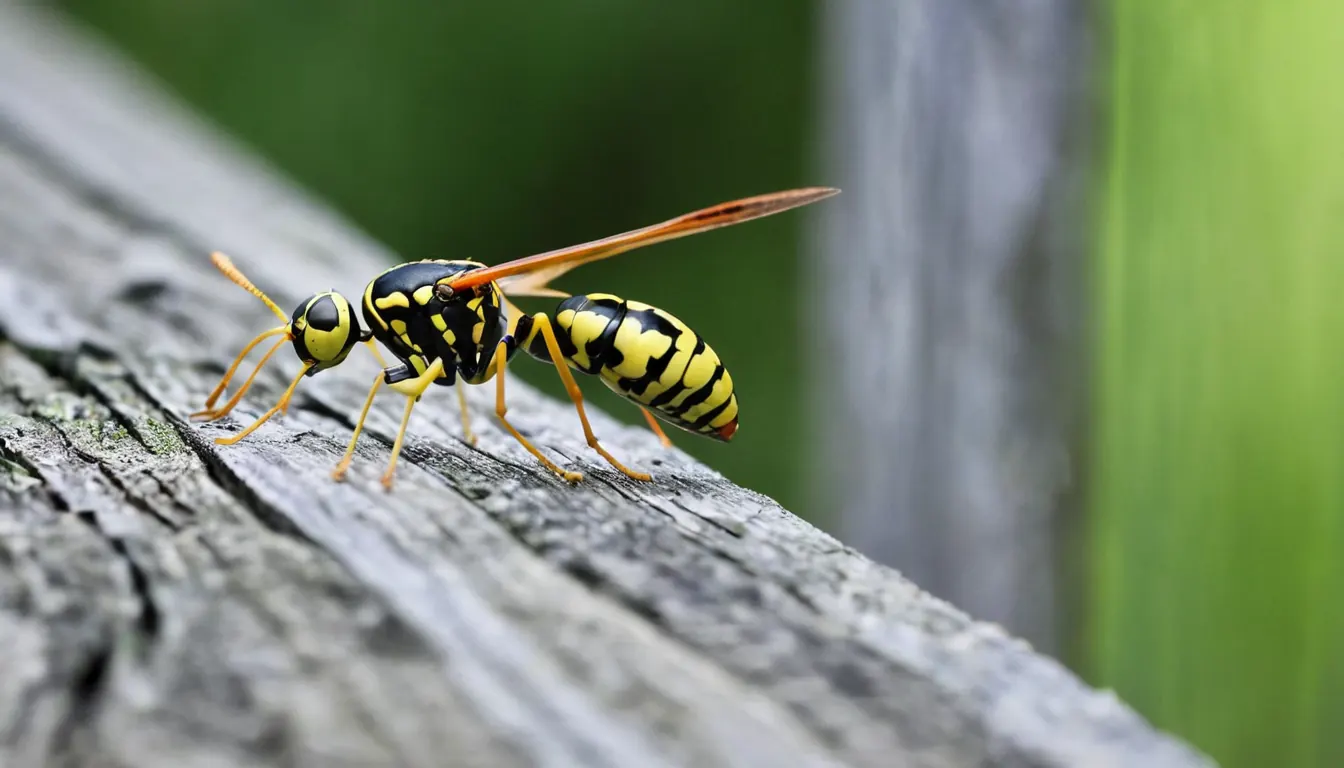
Most stings in Colorado come from two insects: the western yellowjacket and the European paper wasp. Western yellowjackets are compact, black and yellow wasps that nest underground or in cavities near the ground, so you often do not see the nest until someone mows over it. They are the ones that crowd around picnic tables and trash cans late in summer. European paper wasps are slimmer, with long legs that dangle in flight. They have become common in yards across the state since they arrived around 2000, and they build open, umbrella-shaped paper nests under eaves, deck boards and railings, and in small cavities such as grill lids, clothesline poles and play equipment. Bald-faced hornets and aerial yellowjackets build the large, enclosed gray paper nests you see hanging in trees, in shrubs or on buildings.
When nests become a problem
Wasp nests start small in spring, when a single queen begins building, and grow all summer. By late summer a yellowjacket nest can hold many workers, and they defend it hard, which is when most stings happen. Paper wasps, yellowjackets and hornets all build a new nest each year. The old nest is abandoned by late fall, and a nest you find in winter is usually empty and can be left or knocked down. If a nest is near a door, a play area or a deck you use, it is worth dealing with as soon as you find it.
How we remove a nest
The technician first identifies the insect and finds the nest entrance, which is not always where the wasps seem to be. We treat the nest with a product labeled for wasps, often early or late in the day when most of the colony is home, and remove exposed nests once they are no longer active. Ground nests are treated at the entrance, and nests inside walls are treated through the entry hole. We do not plug the hole in a wall until the nest is dead, because blocked wasps can chew their way into the house. If the nest is still active 7 days later, we come back at no charge.
Honey bees are different
Honey bees are pollinators, and a swarm hanging on a branch or a fence is usually just resting while scouts look for a new home. We do not spray honey bee swarms. We refer you to a local beekeeper through the Colorado State Beekeepers Association swarm hotline, which routes calls to volunteers who collect swarms. Bumble bee nests last only one season and are best left alone if they are out of the way.
Staying safe
Do not swat at wasps near a nest, block the entrance or pour gasoline or other liquids into a ground nest. If anyone has trouble breathing, swelling of the face or throat, or dizziness after a sting, call 911 right away.
Areas served
Wasp & Hornet Nest Removal across Denver Metro
What you get
What's included
Same-day visits
Wasp calls booked the same day where we can, otherwise the next.
Insect and nest identified
We find the real nest entrance before we treat.
All nest types
Eaves, decks, ground nests, trees and wall voids.
Nest removal
Exposed nests taken down once they are no longer active.
7-day return
If the nest is still active after 7 days, we come back free.
Pricing
Wasp & Hornet Nest Removal cost guide
| Job | Typical range | Notes |
|---|---|---|
| Single paper wasp nest | $100–$200 | Under eaves, decks or railings |
| Ground yellowjacket nest | $150–$300 | Treated at the entrance, often early or late in the day |
| Hornet or aerial yellowjacket nest | $175–$350 | Large enclosed nests in trees or on buildings |
| Nest inside a wall or soffit | $250–$450 | Treated through the entry, hole sealed afterward |
| Wasps on a home pest plan | $0 | Nests under the eaves cleared on every visit |
Get a price for wasp & hornet nest removal
Tell us what you are seeing. Someone from Pinyonmark Pest Control will call you back.
- Free re-service between visits on home pest plans
- Monthly billing available on pest plans
- Fully insured
Prefer to talk? (303) 555-0134
The online form isn't set up yet. The fastest way to reach us is by phone.
Call (303) 555-0134Why choose us
Why Denver Metro calls Pinyonmark Pest Control
Upfront prices
You approve the price before we treat
Licensed applicators
Colorado license number on every service ticket
Free re-service
Pests back between plan visits? We return at no charge
Our own technicians
Our own trained staff on every visit, no subcontractors
4 out of 5 stars
Yellowjackets in the ground right by the patio. They could not come the day I called but were there first thing the next morning, found the entrance and the nest was dead by evening.
Eric P., Highlands Ranch · Google
Sample review
5 out of 5 stars
Embarrassing problem, handled kindly. They gave us a clear prep list, explained when we could sleep in the room again and came back twice to check. No bugs since the last visit.
Jasmine R., Aurora · Google
Sample review
4 out of 5 stars
Mice in the garage and the shed every fall. They trapped them, sealed a lot of gaps I never knew were there and told us how to clean up the droppings safely. It took three visits, but it worked.
Chris D., Golden · Google
Sample review

The process
How it works
Call or book
Tell us where the nest is and whether anyone has been stung.
Identify
We confirm the insect and find the nest entrance.
Treat
The nest is treated with a labeled product, often early or late in the day.
Remove and check
Exposed nests are removed, and we return if it is still active.
Need wasp & hornet nest removal today?
FAQ
Wasp & Hornet Nest Removal questions
Can you remove a swarm of honey bees?
We do not spray honey bee swarms. A swarm is usually resting while scouts find a new home. Call the Colorado State Beekeepers Association swarm hotline, which routes calls to local volunteer beekeepers who collect swarms.
Should I knock down an old wasp nest in winter?
Paper wasps, yellowjackets and hornets build a new nest each year and abandon the old one by late fall. A nest you find in winter is usually empty and can be knocked down or left. An active nest in summer is a job for us.
More services