Mouse & Rat Control · Denver Metro
Mouse & Rat Control
Mice and rats trapped, entry points sealed and advice on safe cleanup of what they left behind.
Get a quote for mouse & rat control
The online form isn't set up yet. The fastest way to reach us is by phone.
Call (303) 555-0134Mice, rats and the seasons
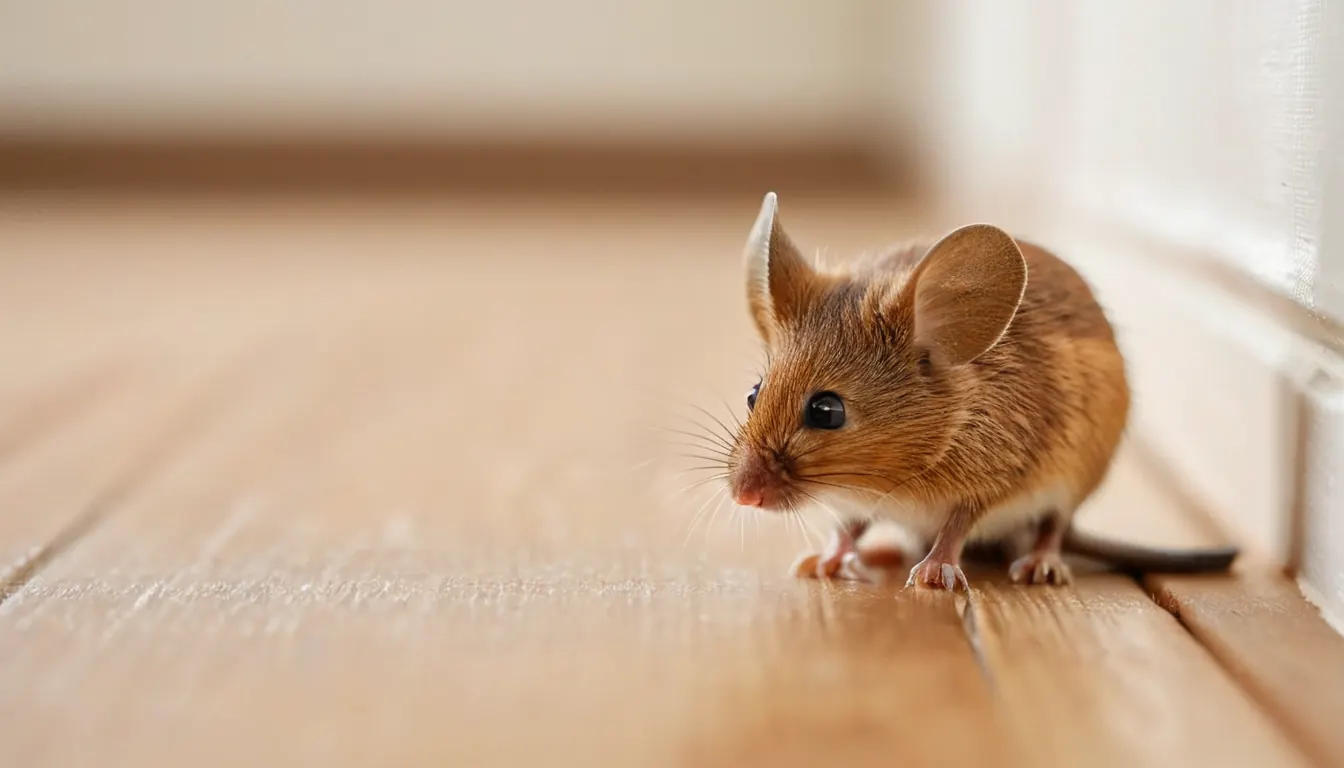
Rodent calls rise every fall around Denver. As nights turn cold, mice move from fields, gardens and open space into garages, crawl spaces, basements and wall voids. House mice and deer mice are the two we see most. House mice are gray-brown with nearly bare tails. Deer mice have a sharp line between a brown back and a white belly, and a tail that is dark on top and pale underneath. We see rats less often than mice, but both Norway rats and roof rats occur in Colorado, and a rat problem needs a different plan from a mouse problem.
Deer mice and hantavirus
Deer mice can carry hantavirus, a rare but serious lung infection. People can catch it by breathing in tiny particles from the urine, droppings or nests of infected mice, especially in closed, poorly aired spaces such as sheds, cabins and garages. Colorado public health agencies advise airing out the space before cleaning, wearing rubber or latex gloves, spraying droppings and nests with a disinfectant or a bleach and water mix and letting it soak before wiping up with paper towels, and never sweeping or vacuuming droppings. If you are not comfortable doing that cleanup yourself, tell us, and we will talk through the options.
How we get rid of them
Indoors, we use snap traps placed along walls and in the runways rodents travel, because traps let us remove the rodents instead of leaving them to die inside the walls. We set them where children and pets cannot reach them, and we come back to check and reset them. Outdoors, we may place locked, tamper-resistant bait stations along the foundation, following the product label, but we do not use rodent poison inside the living space. Each visit, we note what was caught and where, which tells us where they are getting in.
Sealing them out
Trapping alone is a cycle. As long as there is a way in, new mice will find it. A mouse can squeeze through a gap about the size of a dime, and a rat through one the size of a quarter. We look for gaps around pipes and wires, under garage doors, at foundation vents, in the gaps where siding meets the foundation and around the air conditioner lines. We seal them with steel mesh, metal flashing and sealant, materials rodents cannot chew through.
What you can do
Keep pet food, bird seed and grass seed in sealed containers, bring trash and compost bins in at night, move wood piles away from the house and cut back dense shrubs along the foundation. In Denver, the city public health department inspects alleys and public property for rodents, and you can report rats on public land by calling 311.
Areas served
Mouse & Rat Control across Denver Metro
What you get
What's included
Rodent inspection
Droppings, runways and entry points found inside and out.
Trapping program
Snap traps set out of reach and checked on follow-up visits.
Exterior bait stations
Locked, tamper-resistant stations outside only, where needed.
Exclusion
Gaps sealed with steel mesh, flashing and sealant.
Cleanup advice
How to clean droppings and nests without stirring them up.
Pricing
Mouse & Rat Control cost guide
| Job | Typical range | Notes |
|---|---|---|
| Rodent inspection | $100–$200 | Credited toward a trapping or exclusion job |
| Trapping program | $250–$500 | Setup plus two to three follow-up visits |
| Exclusion, sealing entry points | $300–$1,500 | Depends on the number and size of gaps |
| Exterior bait station service | $40–$70 | Per month, stations checked and refilled |
Get a price for mouse & rat control
Tell us what you are seeing. Someone from Pinyonmark Pest Control will call you back.
- Free re-service between visits on home pest plans
- Monthly billing available on pest plans
- Fully insured
Prefer to talk? (303) 555-0134
The online form isn't set up yet. The fastest way to reach us is by phone.
Call (303) 555-0134Why choose us
Why Denver Metro calls Pinyonmark Pest Control
Upfront prices
You approve the price before we treat
Licensed applicators
Colorado license number on every service ticket
Free re-service
Pests back between plan visits? We return at no charge
Our own technicians
Our own trained staff on every visit, no subcontractors
4 out of 5 stars
Mice in the garage and the shed every fall. They trapped them, sealed a lot of gaps I never knew were there and told us how to clean up the droppings safely. It took three visits, but it worked.
Chris D., Golden · Google
Sample review
4 out of 5 stars
Yellowjackets in the ground right by the patio. They could not come the day I called but were there first thing the next morning, found the entrance and the nest was dead by evening.
Eric P., Highlands Ranch · Google
Sample review
5 out of 5 stars
Embarrassing problem, handled kindly. They gave us a clear prep list, explained when we could sleep in the room again and came back twice to check. No bugs since the last visit.
Jasmine R., Aurora · Google
Sample review

The process
How it works
Inspection
We find where they are, where they get in and what draws them.
Trapping
Traps set and checked on follow-up visits until the catch stops.
Sealing
Entry points closed with materials rodents cannot chew.
Prevention
Advice on food, trash, wood piles and shrubs around the house.
Need mouse & rat control today?
FAQ
Mouse & Rat Control questions
Is it safe to clean up mouse droppings myself?
Deer mice in Colorado can carry hantavirus, so clean up carefully. Air the space out first, wear rubber or latex gloves, spray the droppings and nests with a disinfectant or a bleach and water mix and let it soak, then wipe up with paper towels. Never sweep or vacuum droppings.
Why do you seal gaps instead of just setting traps?
Traps remove the mice that are inside, but new ones keep coming as long as there is a way in. A mouse can get through a gap about the size of a dime. Sealing entry points with materials rodents cannot chew is what stops the cycle.
More services